

By Michaela Gordoni
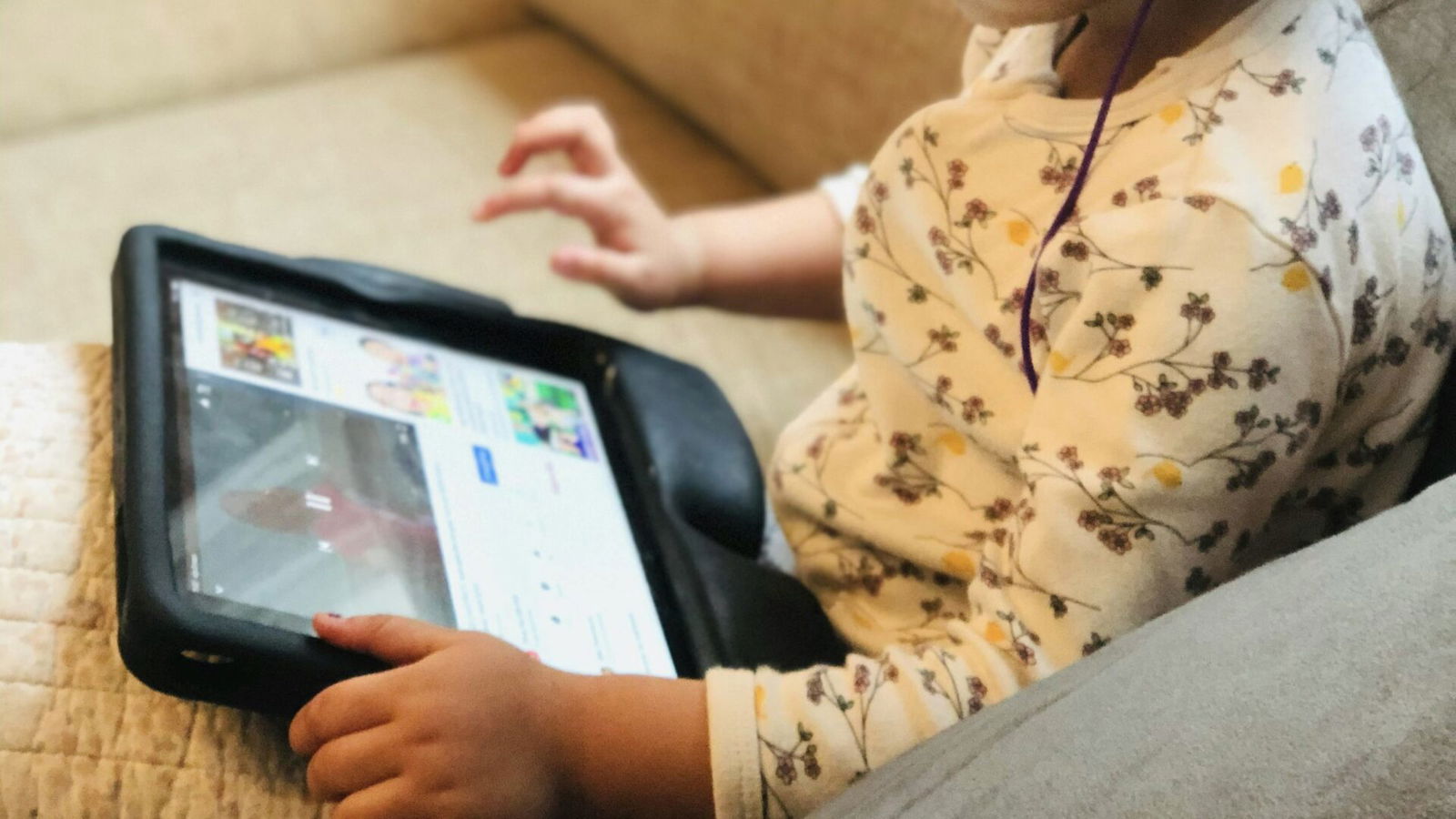
AI content is everywhere — but especially on your children’s YouTube feed.
“AI-generated videos aimed at kids are becoming increasingly common, especially on platforms like YouTube, TikTok and Instagram, where content is often auto-generated to grab attention or maximize views,” said Titania Jordan, chief parenting officer and CMO at Bark Technologies and co-author of Parenting in a Tech World.
Many of the AI videos parents notice are low-quality. Comedian Alex Pearlman shared his experience when a video popped up of his toddler’s favorite educational book. The video showed re-created pages of the book without the publisher’s permission, and the AI voice mispronounced the words.
“If you’re a parent now, you are stuck, because you need to make sure you know and understand where the information that is being put into your toddler’s head is coming from,” Pearlman said.
Jordan says the more absurd or off a video is, the more likely it’s fake.
Related: What You Need to Know About AI Slop in Your Social Media Feed
“Sometimes, the absurdity is the point: You’re definitely going to stop your scroll if you come across a golden retriever making an omelet in a French restaurant,” she said.
“To me, the meaninglessness of these videos is a huge problem because they’re just attention capture,” said Dr. Jenny Radesky, a developmental behavioral pediatrician and associate professor of pediatrics at the University of Michigan Medical School. “And then the worst case is that it’s so fantastical and full of attention capture that it is going to be cognitively overloading to the child.”
AI videos can be created quickly. Unedited or monitored videos can contain inappropriate content.
“Not long ago, [YouTube was] under fire for hosting countless videos that looked like harmless PEPPA PIG cartoons but actually included disturbing scenes, like Peppa having her teeth pulled out by a menacing dentist,” said Scott Kollins, PhD, psychologist and chief medical officer at family online safety company Aura.
Dr. Michelle Ponti, chair of the Canadian Pediatric Society’s digital health task force and lead author of its screen guidelines for kids under 5, says AI videos hold no value.
“It’s garbage and young children cannot learn from garbage,” she stressed. “We know what promotes early learning, and that’s that face-to-face contact with a loving caregiver, that back-and-forth interaction with an actual human that can make the connections and help that child learn. AI slop is just a mishmash of junk.”
Dr. Natalie Bidnick Andreas, EdD, an assistant professor of communication studies at the University of Texas at Austin who teaches and researches AI, digital communication and media literacy said, “Children need thoughtful pacing, clear language and meaningful educational value, which many AI-generated videos lack.”
You can teach your children to identify AI videos by showing them what to look for. AI videos can be off-sync, depict odd things like animals with too many body parts, odd movements, garbled text and incoherent narratives, The New York Times reported.
“Kids are usually surprisingly adept at identifying these types of videos,” Jordan said.
“It is also worth remembering that abstaining from YouTube altogether is an option, especially for younger children, in favor of curated streaming services or downloaded content you trust,” Dr. Andreas shared.
If your child has to be on a screen, it might be best to stick to what you know — gentle or educational children’s shows such as BLUEY or MS. RACHEL, for example.
Read Next: How YouTube Plans to Makes Strides in Children’s Entertainment
Questions or comments? Please write to us here.
 – Content: +1