

 Add Movieguide® as preferred on Google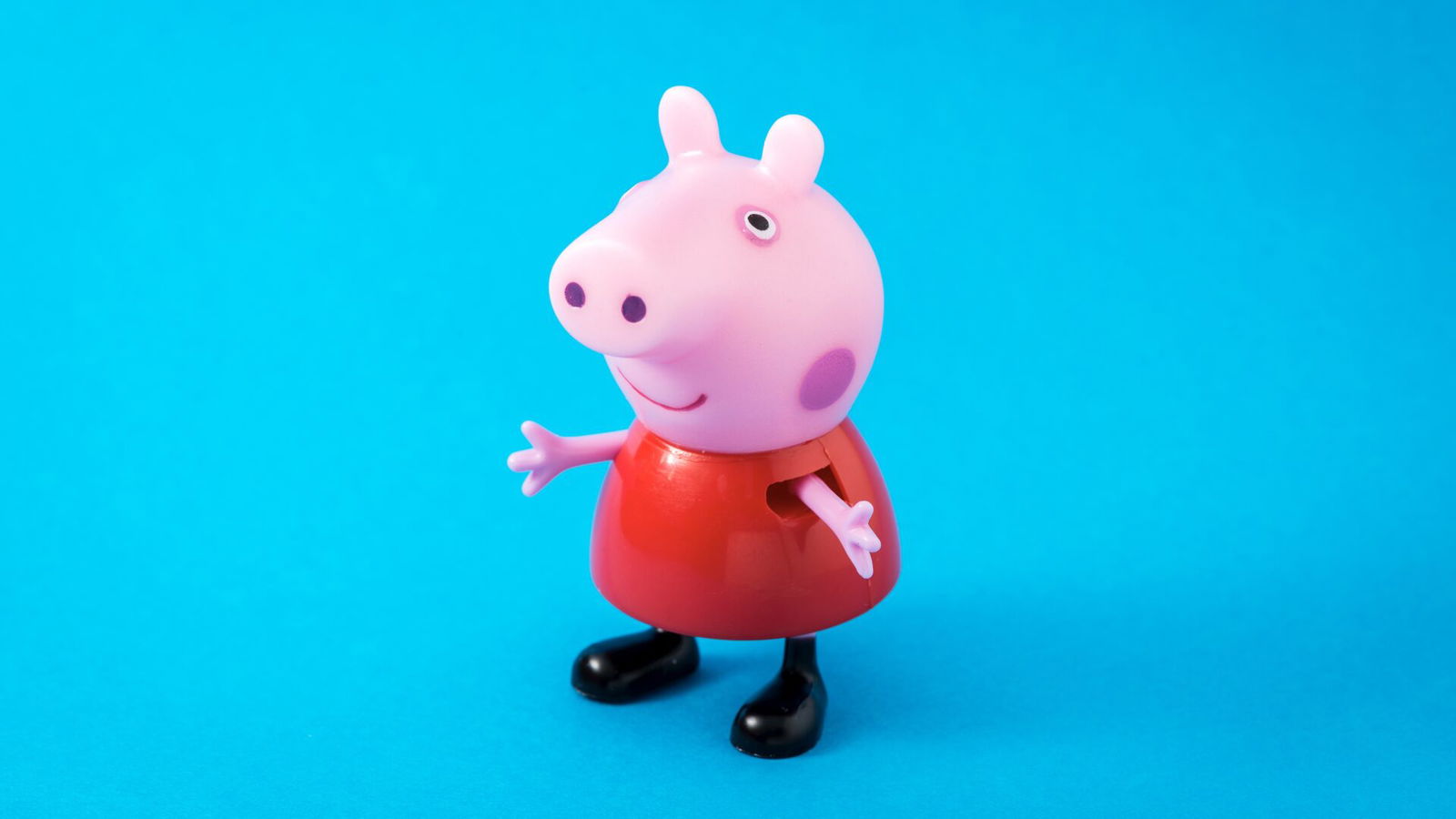
By Movieguide® Staff
Hasbro, the entertainment giant behind beloved children’s brand PEPPA PIG, is facing a wave of industry pushback over contract clauses that allegedly require child voice actors to surrender their vocal identities to artificial intelligence — and the terms are reportedly non-negotiable.
“Children cannot provide fully informed legal consent and a parent or guardian’s approval should never be used as a blanket licence to capture, clone, train, or reuse a child’s voice indefinitely,” the Agents of Young Performers Association (AYPA) wrote in an open letter that has since garnered nearly 1,000 signatures.
The AYPA declined to name the specific show, but industry sources told Deadline that the letter refers directly to PEPPA PIG, the animated series Hasbro acquired in 2019. According to those same sources, the clauses would give Hasbro the right to clone a child’s voice and use the resulting AI-generated audio across any and all commercial assets within the franchise, without limits — and without a clear end date.
What’s more troubling, the letter says these terms are handed to families as an ultimatum. Take the clause, or lose the job. For a child performer, that’s not exactly a free choice.
Hasbro pushed back with the kind of statement carefully engineered to sound reassuring without conceding anything. “The protection of child performers is core to who Hasbro is, it’s part of our DNA,” a Hasbro spokesperson said. “As industry standards around AI continue to evolve, we are committed to engaging with this issue in a responsible and transparent manner.”
Related: Iconic Toy Brand Goes All In for AI
That’s a lot of words to say very little. “Part of our DNA” and “responsible manner” don’t address the actual concern — that a child cannot meaningfully consent to having their voice cloned and used commercially, potentially for the rest of their professional life.
“No child should have their future professional identity shaped by an AI model created before they were old enough to understand its consequences,” the open letter read. “Their voice should not become a permanent commercial asset before they have the legal and personal capacity to decide for themselves.”
It’s a fair point, and an obvious one. The entertainment industry spent decades building protections for child performers — Coogan Law, working hours restrictions, trust account requirements — precisely because the power imbalance between studios and families is real, and children cannot adequately advocate for themselves. AI changes the landscape but not that fundamental reality.
Movieguide® has long tracked the entertainment industry’s use of AI in ways that sideline human performers and put children at risk. This situation fits a troubling pattern: studios leveraging their position to extract long-term rights from the most vulnerable parties, dressed up as standard contractual language.
PEPPA PIG is one of the most commercially valuable children’s franchises in the world, created by Mark Baker and Neville Astley in 2004. Season 11 premiered on Nickelodeon in March, featuring a storyline in which Peppa’s brother George is revealed to be moderately deaf. The show’s reach — and Hasbro’s demonstrated interest in expanding its AI licensing capabilities — makes this more than a niche industry dispute.
For parents of young performers, this story is a cautionary note about reading every line of every contract. For everyone else, it raises a harder question: if a company that claims child safety is “part of our DNA” is willing to offer take-it-or-leave-it AI clauses to child actors, what does that say about the industry at large?
The industry’s answer, for now, seems to be a collective shrug — which is exactly why the AYPA’s letter, and the nearly 1,000 voices behind it, matters.
Read Next: Beloved Children’s Show Gets ‘Delighted’ New Showrunner
Questions or comments? Please write to us here.
Add Movieguide® as preferred on GoogleShare:
 - Content: +3
 - Content: +3