


 - Content:
  Add Movieguide® as preferred on Google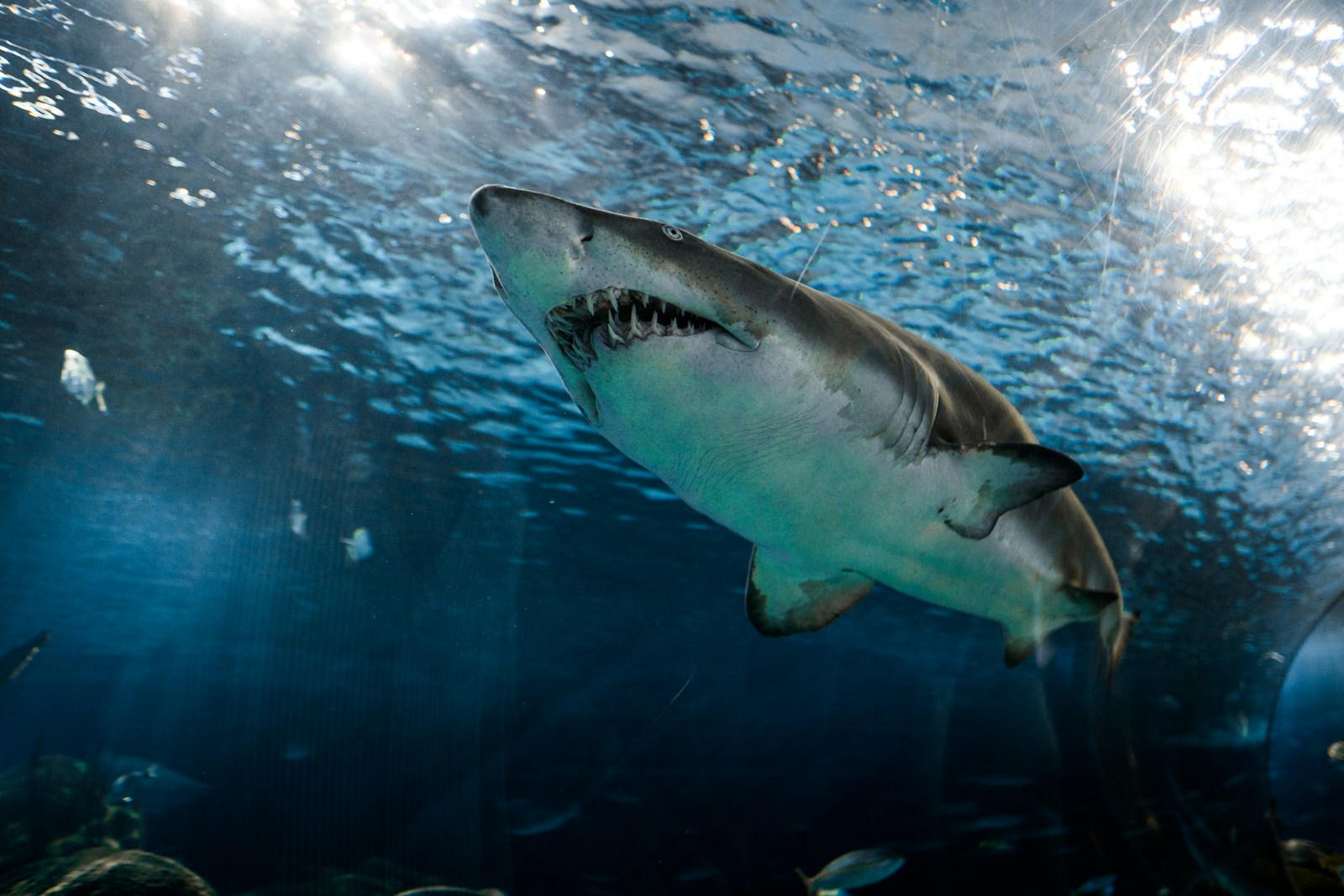
By Movieguide® Staff
We know media impacts consumer behavior, but just how much? It turns out your viewing habits inform your decisions more than you think — from what you eat to how you vote. Here’s a list of 11 movies and television shows that have statistical impact on culture.
1. JAWS (1975)
Beach attendance dropped 28% in the summer following the film’s release (per research published in Marine Policy). Recreational shark fishing also surged, and over the following decades, global shark populations declined by approximately 70% — an effect conservationists partially attribute to the cultural fear Jaws entrenched.
2. BAMBI (1942)
The film triggered such public outrage that Wisconsin’s proposed antlerless deer season in 1943 was cancelled due to public pressure. The term “Bambi Effect” has since become a recognized concept in wildlife management literature.
3. SCARED STRAIGHT! (1978)
The documentary claimed an 80% success rate in keeping juvenile offenders out of trouble. A rigorous Rutgers University study found the opposite: participants had a 41% recidivism rate vs. 11% for a matched control group who didn’t go through the program — meaning the intervention made outcomes significantly worse.
4. 13 REASONS WHY — Season 1 (Netflix, March 2017)
A study cited by the National Institute of Mental Health found a 28.9% increase in suicide rates among U.S. youth ages 10–17 in the month following the show’s premiere, representing approximately 195 additional youth suicides beyond expected trends.
5. SUPER SIZE ME (2004)
Related: Faith, Hope and Justice Fuel the JUST MERCY World Premiere
Within six weeks of the documentary’s release, McDonald’s eliminated its Super Size menu option entirely. McDonald’s UK pretax profits dropped by three quarters in 2004. The film grossed $22 million on a budget under $65,000.
6. BLACKFISH (2013)
SeaWorld attendance dropped by 1 million visitors in 2014. Profits fell 28% that quarter. The company lost $1.7 billion in market capitalization in the year of the film’s release. By 2016, SeaWorld ended its orca breeding program entirely.
7. FOOD, INC (2008)
A peer-reviewed study published in the International Journal of Research in Marketing examined organic food sales across 1,700+ supermarkets. Markets in areas where the film was shown saw a 23.3% increase in organic food purchase share, compared to 6.1% in the control group.
8. BREAKING BAD (2008–2013)
Counterintuitively, U.S. methamphetamine users declined during the show’s run — from 731,000 in 2006 (before the show) to 440,000 by 2012 (mid-run). Some officials suggested the show’s unflinching portrayal of meth’s consequences may have functioned as a deterrent.
9. CONTAGION (2011)
When COVID-19 emerged in early 2020, the 9-year-old film saw a 5,609% year-over-year increase in piracy site visits. It jumped from Warner Bros.’ #270 most-watched film in December 2019 to #2 by March 2020, and was the most-viewed film on HBO Now for two consecutive weeks.
10. CSI: CRIME SCENE INVESTIGATION (2000–2015)
Research documented the “CSI Effect” on jury behavior: 46% of jurors reported expecting some form of scientific evidence in every criminal case, and 22% expected DNA evidence in every trial — regardless of the nature of the crime. Prosecutors reported losing cases they should have won because juries expected lab evidence that didn’t exist.
11. JUST MERCY (2019)
A peer-reviewed study published in PNAS found that watching the film produced a 7.66% increase in petition signatures supporting death penalty reform compared to a control group. In June 2020, Warner Bros. made the film free to stream amid the racial justice protests following George Floyd’s death.
Questions or comments? Please write to us here.
Add Movieguide® as preferred on GoogleShare:
 - Content: +4
 - Content: +1
 - Content: +3
 - Content: +1