


 Add Movieguide® as preferred on Google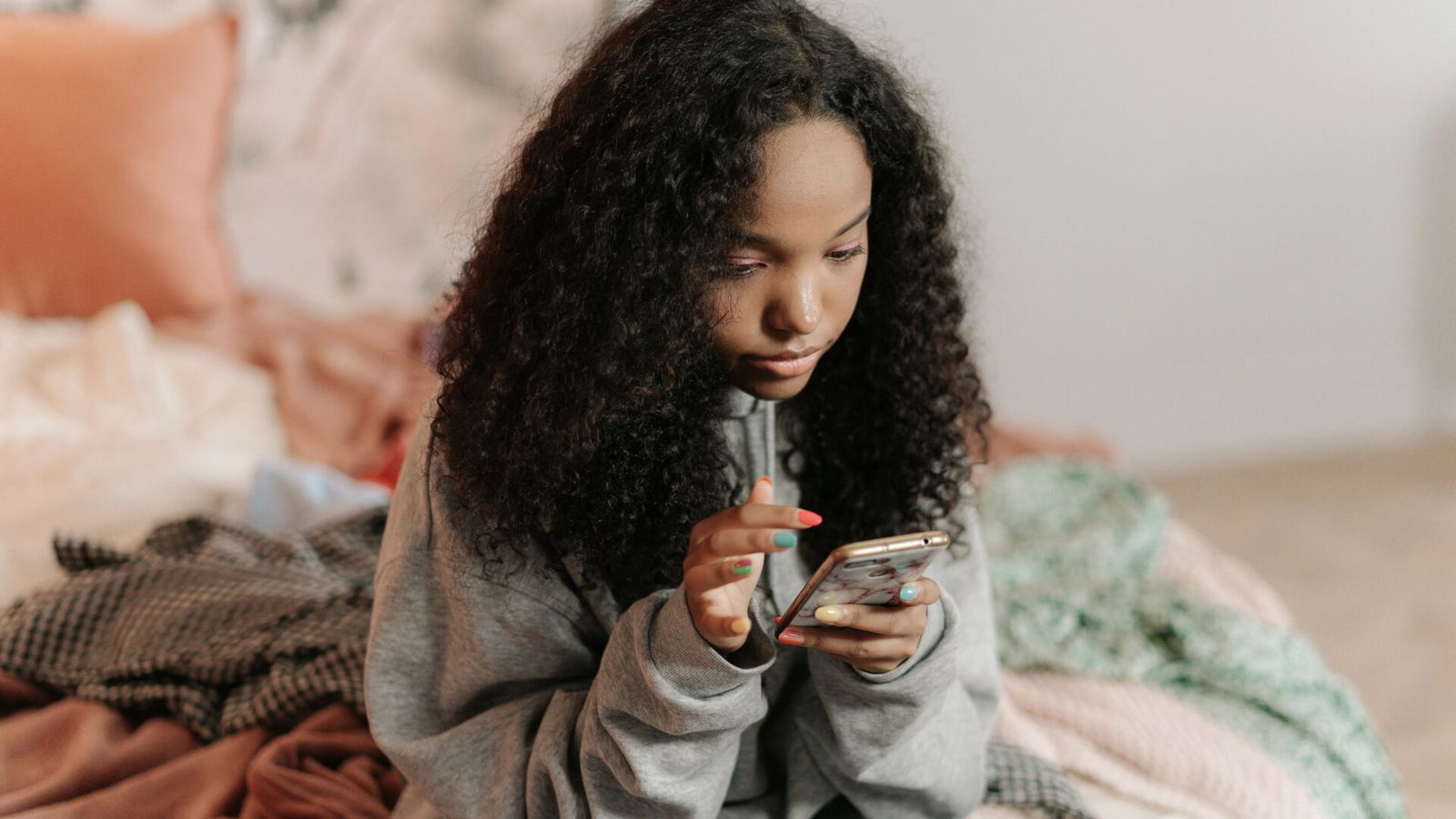
By India McCarty
A new study dove into the real reasons teens use social media, from connecting with friends to looking for sources of entertainment.
“For the first time, Pew Research Center went deeper into comparing teens’ experiences on three widely used platforms: TikTok, Instagram and Snapchat,” the organization wrote in a report of their findings. “When we ask teens why they use these platforms, three reasons rise to the top.”
Those three reasons? Entertainment, keeping in touch with friends and family and connecting with others who share their interests.
The teens surveyed were also asked about the negative impacts social media can have on them. Three-in-10 users admitted they “spend too much time” on TikTok and that it “negatively impacts their sleep.”
Related: 5 Safe Alternatives for Your Child’s Favorite Social Media App
“Roughly three-quarters of each site’s users see harassment and bullying on the platform as a problem for people their age,” Pew’s study stated. “In fact, roughly three-in-ten of its users have experienced at least one of three types of harassment asked about: being called an offensive name, having a rumor spread about them or being physically threatened.”
However, most of the teens surveyed didn’t seem to realize how harmful social media can be: “Across all three platforms, most teen users say it neither hurts nor helps their mental health.”
Parents need to be diligent about how much time their teens are spending online and “be ready to step in when they see negative changes in behavior, drawing those boundaries when their kids aren’t able,” Parents reported.
“It is important to remember that even if children under 16 have less access to and spend less time on social media, those children will one day turn 16 and need the skills to manage their own social media time,” Nancy L. Deutsch, a Professor of Education in the University of Virginia’s School of Education and Human Development, told UVA Today.
She continued, “We learn new skills by practicing them, often with scaffolding from more experienced people. As parents and other adults, we can help young people grow in their digital literacy and develop the skills and habits they need to live healthy digital lives.”
Deutsch counseled parents to “model positive behavior” for their children, as well as “admit when we are struggling with our own social media time.”
“Coming up with ways that we can better regulate our social media use alongside our young people can turn what often feels like a battle into a shared goal,” she concluded.
Teens might not see their social media use as all that harmful, but parents need to remain aware of just how much time their children are spending online.
Read Next: Why Social Media Needs to Be Regulated Like Drugs
Questions or comments? Please write to us here.
Add Movieguide® as preferred on GoogleShare:

 - Content: +3

 - Content: +3