


 - Content:
  Add Movieguide® as preferred on Google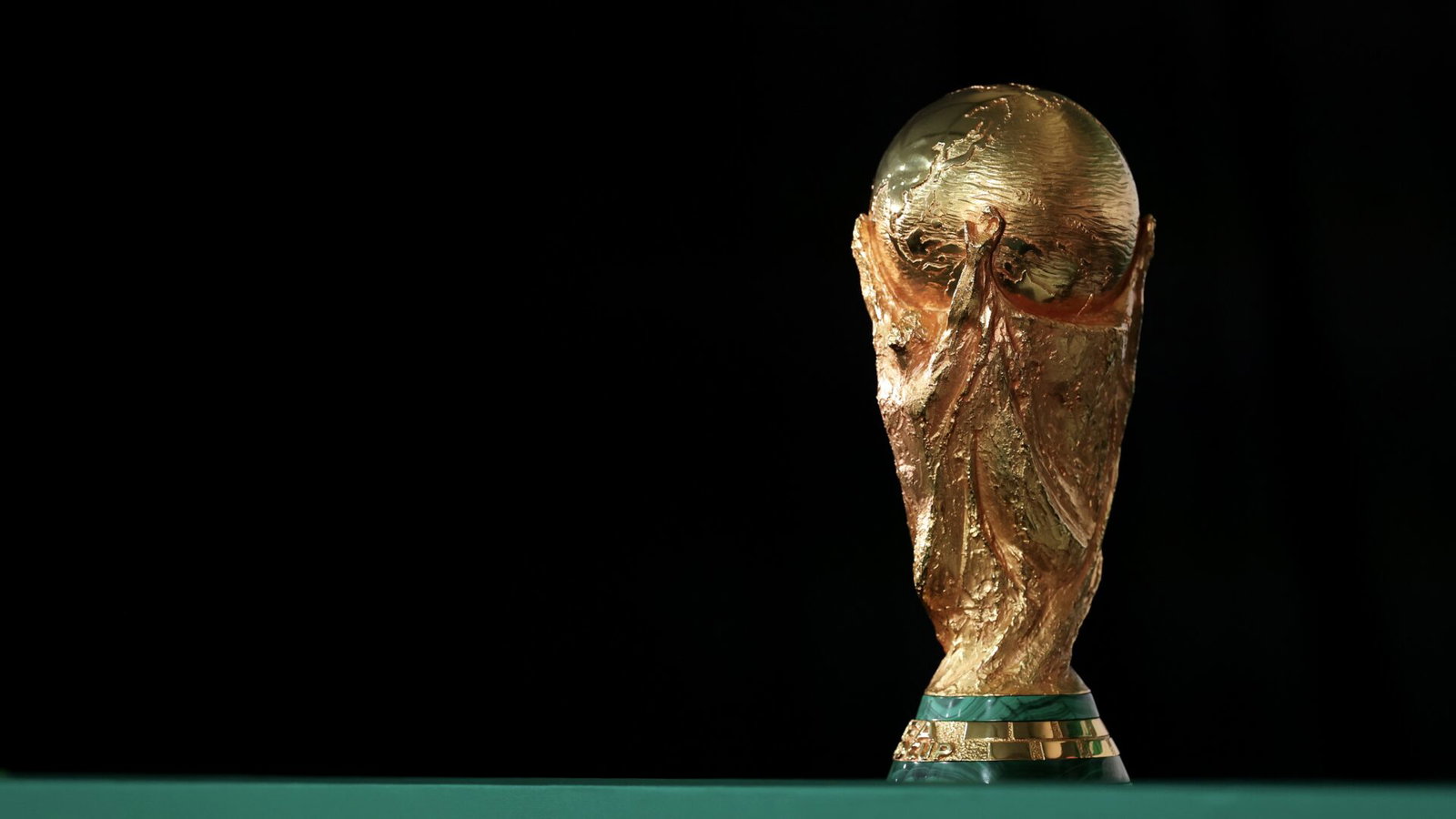
By Movieguide® Staff
Netflix, Disney and YouTube are reportedly preparing to challenge Fox for future US World Cup rights, another sign that major streamers want live sports at the center of their entertainment strategies.
“Executives at various media companies are budgeting between $1.5 billion and $2 billion for the US rights to each tournament across languages,” CNBC reported, citing people familiar with the matter.
CNBC reported that FIFA has alerted companies that English- and Spanish-language US rights for the 2030 and 2034 men’s World Cups will likely be sold together. Previous tournaments separated those packages, with Fox holding English-language rights and Telemundo holding Spanish-language rights for 2026.
The potential combined package could create a bidding fight among traditional broadcasters, tech platforms and streaming services. CNBC named Netflix, Disney and Alphabet’s YouTube as interested parties, while Amazon and Apple could also enter the mix.
For families, the story says something important about where big cultural events are going. Sports once helped hold the traditional television bundle together, but streaming companies increasingly see live games as appointment viewing that can cut through a crowded digital market.
Netflix has already moved deeper into global soccer. The company announced in December 2024 that it secured US rights to stream the FIFA Women’s World Cup in 2027 and 2031, giving the service a major foothold with one of the world’s biggest sports properties.
Related: 15 FIFA World Cup Players Vocal About Their Faith in Jesus
Apple has also made soccer a key part of its sports identity through MLS Season Pass. That deal gave Apple a global soccer product, while Amazon already holds UEFA Champions League rights in the United Kingdom.
Disney could offer FIFA both streaming reach and broadcast scale through ESPN and ABC. YouTube could bring enormous digital distribution, while Netflix would gain a rare live sports property with worldwide brand recognition.
That competition also shows how entertainment companies now think about family attention. A World Cup match can bring together grandparents, parents and children in a way few scripted releases can, which makes the rights especially valuable.
CNBC reported that FIFA does not plan to sell global rights because some countries require World Cup games to air over the air. The United States, however, remains especially attractive because of advertising potential, audience size and the growing overlap between English- and Spanish-language viewers.
The numbers help explain the rush. CNBC reported that Fox paid $485 million for English-language rights to the 2026 tournament, while Telemundo paid $600 million for Spanish-language rights, citing people familiar with the matter and prior reporting.
The next two tournaments may face less favorable U.S. time zones than the 2026 event in North America. The 2030 World Cup will take place in Morocco, Portugal and Spain, while Saudi Arabia will host in 2034.
Even so, World Cup games can draw families and casual viewers who rarely watch regular-season sports. If streaming companies win those rights, parents may need to track yet another subscription to follow the shared cultural moments their children and communities talk about together each week.
Read Next: Ecuador Midfielder Keeps Faith First After World Cup Exit
Questions or comments? Please write to us here.
Add Movieguide® as preferred on GoogleShare:
 - Content: +4

 - Content: +3