


By Mallory Mattingly
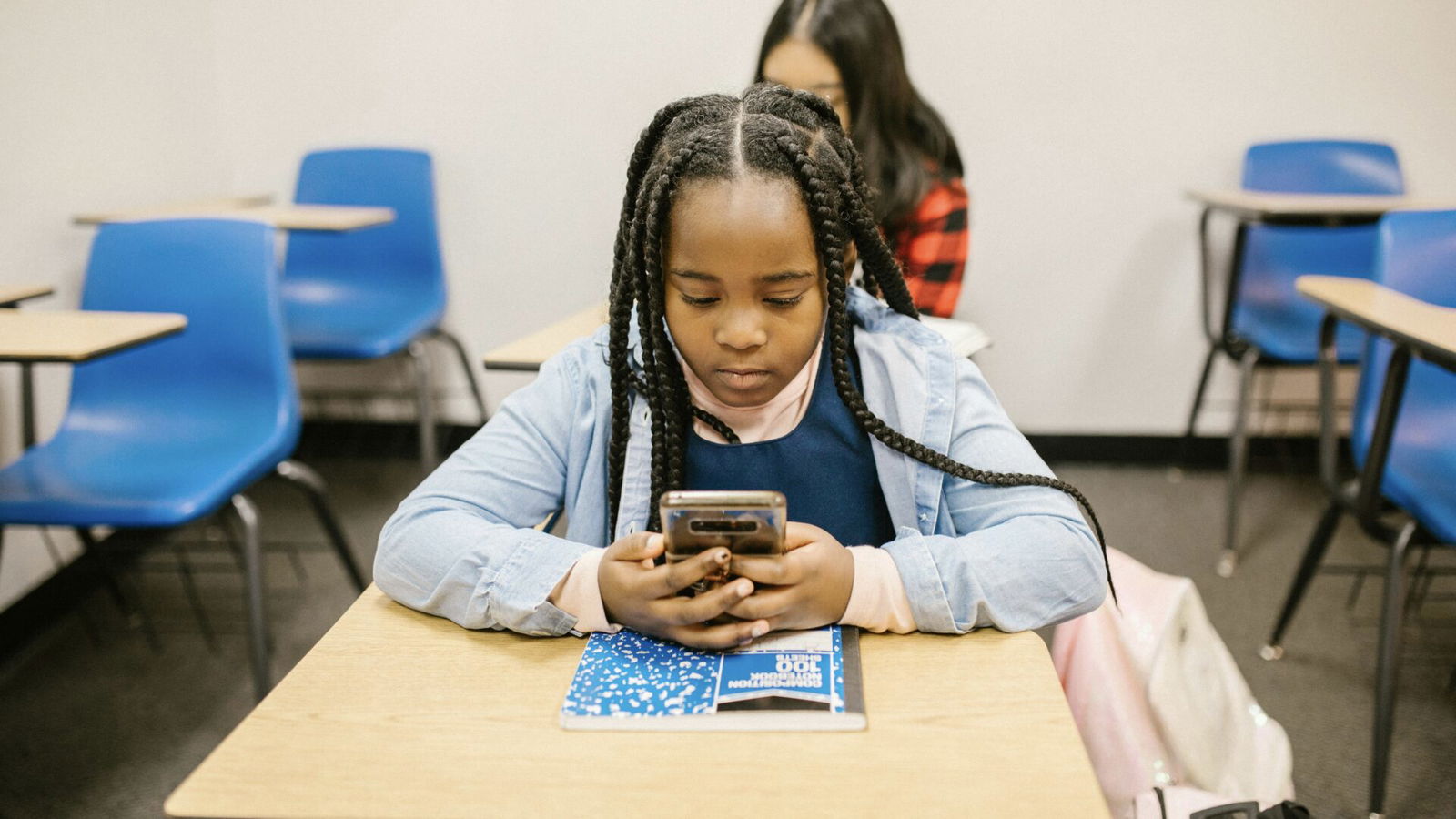
Educational technology’s development has progressed from graphing calculators to desktop computers to the internet and now to artificial intelligence, but teachers and professors are asking the question: “Is screen-based learning destroying our children’s education?”
It would seem the obvious answer is yes, but in reality, the answer falls into a gray area as it’s not the presence of technology that hinders kids in the classroom but “passively defaulting to them and losing sight of what helps kids really learn,” Huffpost reported.
“I think when used intentionally, [screen-based learning] definitely has its benefits,” Sam Campanaro, a former special-education teacher, told HuffPost.
However, Campanaro strongly warns against introducing screen-based learning before children are developmentally ready.
For example, teachers replace hands-on learning with devices, which removes “the rich oral language that develops when students think and problem-solve together,” Chrystine Mitchell, director of early childhood education operations at ChildCare Education Institute, said.
Related: America’s Largest School District Ditches ‘Internet-Enable’ Devices in Classrooms
“When students are heads-down in their devices, there’s a real opportunity cost: the conversations, the collaborative sense-making, the building on one another’s ideas, which gets crowded out,” she added. “Before we hand them a tool that thinks alongside them, we need to give their brains the chance to struggle, wonder and work things out independently. That capacity doesn’t develop on its own; it has to be practiced.”
Kirsten Peterson, a senior project director and strategic business development leader at Educational Development Center in New York, shared the same sentiment when she said, “Screens can be powerful learning tools when they serve a clear purpose. My concern is when screens move from being one tool to being the default tool.”
However, she isn’t opposed to using devices to learn.
“I think if students learn in only one mode, their cognitive range narrows,” she shared. “It’s just like with strength training — if you only work your legs, you won’t have strong arms! Variety builds resilience.”
Jonathan Haidt, a social psychologist, dedicates his time to researching the effects devices have on teens and adolescents.
With the beginning of summer and the inevitable social media posts, The Anxious Generation author explained how social media tends to have an effect on self-esteem.
“Memorial Day is the unofficial start of summer in the US, and you’ll see a lot of vacation pics in your feed over the next few months. It helps to keep in mind that Instagram isn’t real life, and that everyone has ups and downs even if their feed is gorgeous,” Haidt wrote on Instagram.
“Social media can affect our self-esteem — especially that of teenagers, whose sense of self is still developing — by fueling constant ‘upward comparison’ against heavily curated, filtered images,” he continued. “Whether it’s personal beauty, physical perfection, or an aspirational lifestyle, it can be hard not to feel left behind when your own friends are posting gorgeous vacation images or perfect selfies. Social media is 24/7 social comparison. This is partly why people report less anxiety and depression after a social media break.”
While screen-based learning and social media offer some benefits, over-relying on devices can crowd out essential collaborative problem-solving in education and negatively impact adolescent self-esteem through constant social comparison.
Read Next: Expert Weighs In On Age Appropriate Devices For Children
Questions or comments? Please write to us here.

 – Content: +1
Share:
 – Content: +1