


 - Content: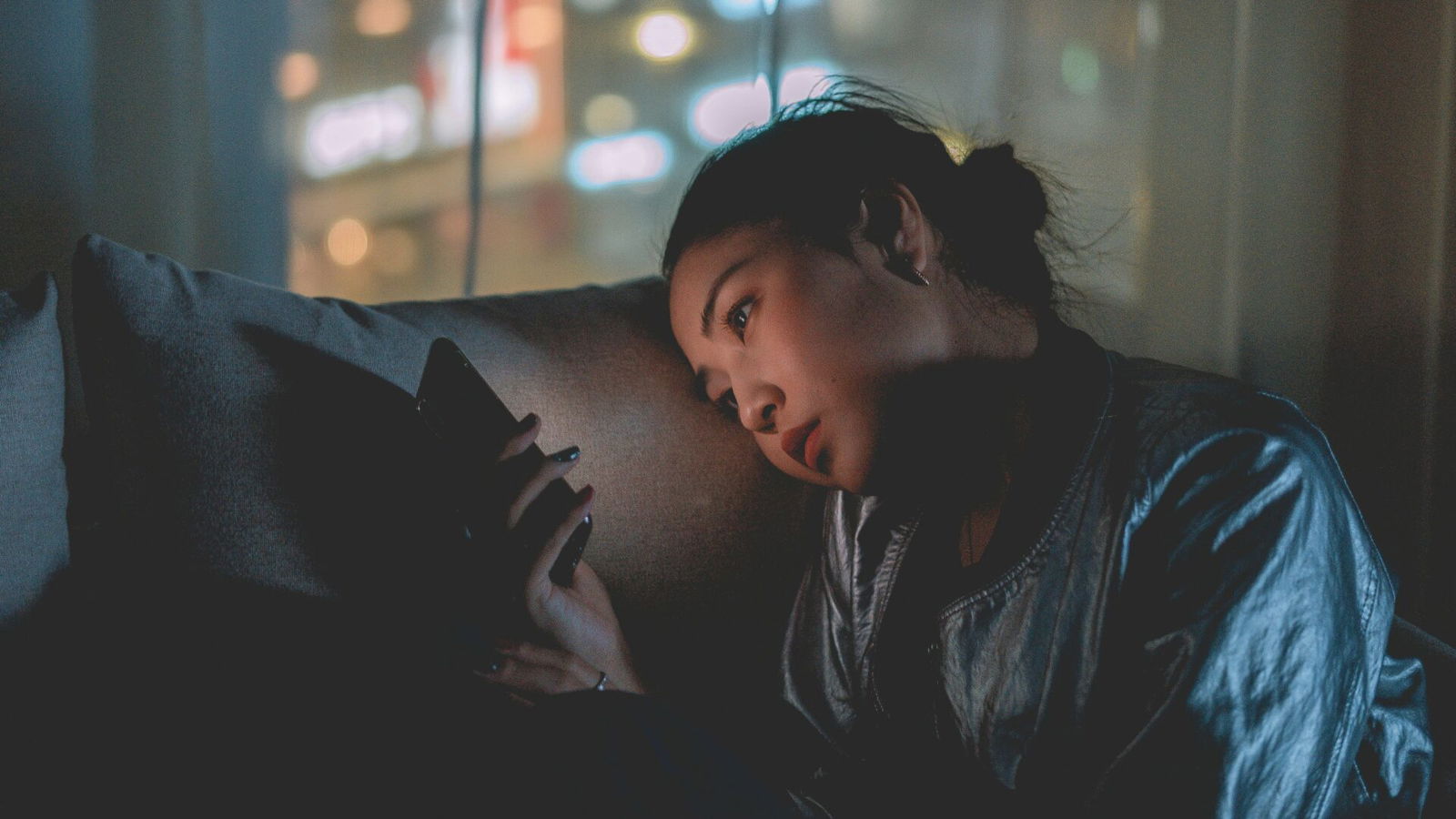
By India McCarty
A new study found that American teenagers are getting less sleep than ever before.
“The findings, which appeared in Pediatrics, showed a consistent decline in sleep across every age category,” The Guardian reported of the study, conducted by the University of Minnesota’s School of Public Health. “The latest figures revealed record-low sleep levels for all groups, with only 22% of older adolescents saying they slept at least seven hours each night.”
Rachel Widome, lead author on the study and a professor at the University of Minnesota School of Public Health, explained that “some barriers to sleep faced by teens have existed across generations,” pointing to homework, extracurricular demands, social events and jobs.
“Other issues, though, are new in recent years, such as increasingly ever-present screens and social media as well as recent society-wide stressors,” she continued, referring to widespread “social unrest” such as the COVID-19 pandemic, protests and other stressors.
Related: Does Screen Time Before Bed Really Affect Sleep Health?
Widome also spoke to Education Week about the study’s findings, saying, “People think of sleep as this kind of disposable thing: it’s not really necessary, it kind of makes your life a little bit more pleasant or comfortable, because it feels miserable to be tired the day after you don’t sleep, you can just tough it out.”
“The reality is that not getting enough sleep has greater implications than just temporary discomfort the next day. For adolescents who aren’t getting as much sleep, they’re [more vulnerable to] a variety of risks that we don’t like to see, like a greater risk for injury from accidents,” she explained. “Mental health suffers when you’re not getting enough sleep, and we also know from the research that not getting enough sleep chronically in adolescence and through adulthood puts you at greater risk for a variety of chronic diseases.”
Widome continued, “This idea that sleep is disposable and adolescence is about being tired is just a really bad way to do things. We are putting a generation of kids at risk of harming their well-being by just thinking that sleep is no big deal, and they don’t need it.”
Jonathan Haidt, author of The Anxious Generation, shared the Guardian’s article on Instagram, along with his thoughts on how to combat this trend.
“Teens need sleep! And spending, on average, 5 hours a day on social media goes contrary to that essential developmental need,” he wrote, explaining that sleep deprivation is “one of the 4 fundamental harms of social media,” along with social deprivation, attention fragmentation and addiction.
“We start to tackle these by 1) delaying smartphones until high school and social media until 16, 2) implementing age-gating policies like Australia and Indonesia have done and as many European countries are considering, 3) implementing #belltobell #phonefreeschools, 4) no phones in bedrooms at night, 5) time limits on social media apps, [and] 6) one of the most-important and often overlooked solutions: much more unstructured, free time with friends IRL,” Haidt shared.
This study’s findings just reinforce what many already know: teens need sleep — and to put the phones down.
Read Next: Here’s How Screen Time Before Bed Results in Terrible Sleep
Questions or comments? Please write to us here.

 – Content: +4
Share:
 – Content: +1