


 Add Movieguide® as preferred on Google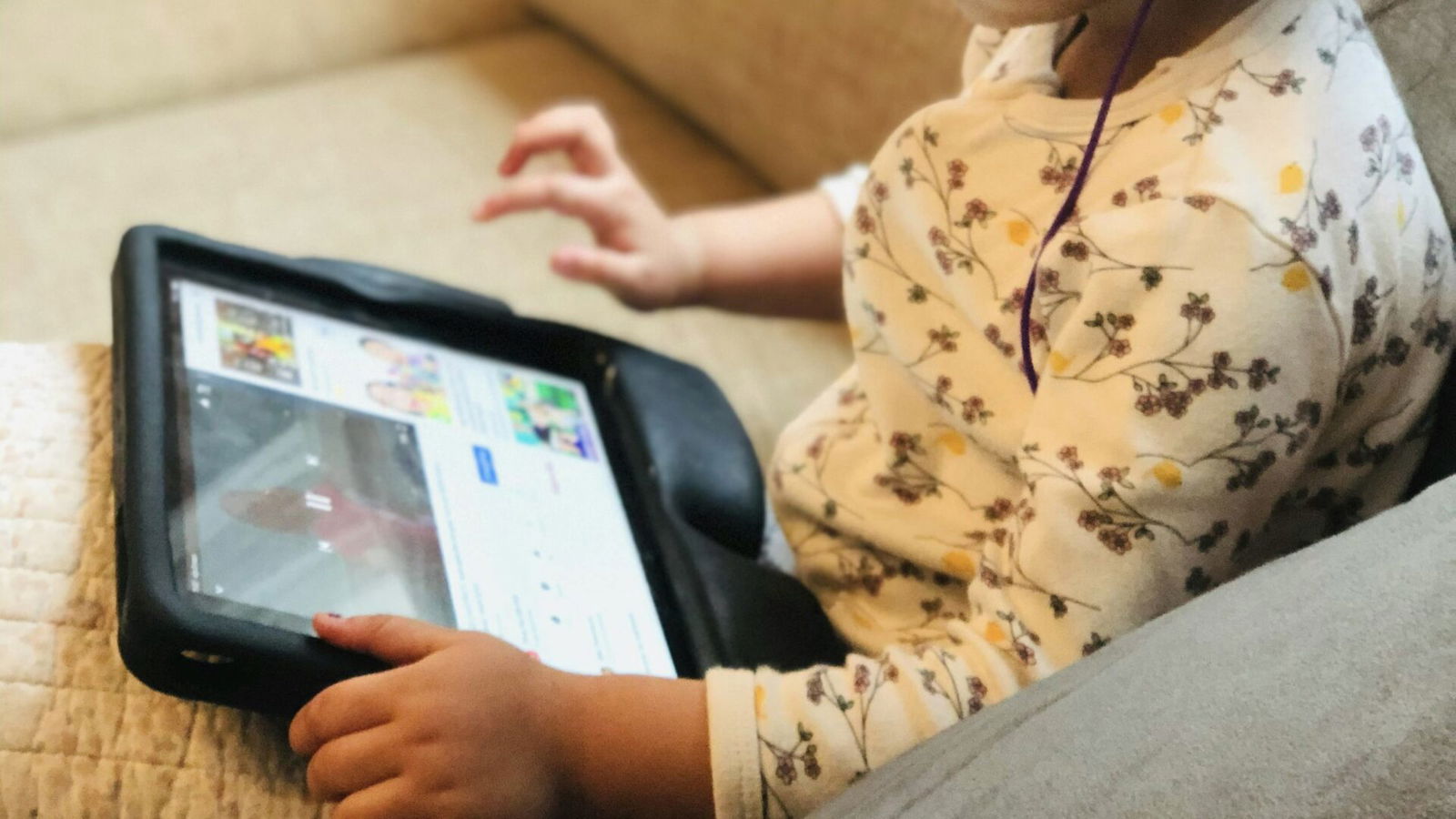
By India McCarty
Whether it’s shorter videos or more personalized content, there’s a multitude of reasons why children gravitate towards YouTube over traditional TV.
“When comparing kids watching YouTube vs television, researchers find that YouTube offers something TV never could: bite-sized hooks, control, and constant novelty,” a blog post from Bark explained.
For example, YouTube content creators. YouTube stars typically look directly into the camera, speaking to their audience and inviting comments from users. This creates a personalized bond between them and their viewers, making children feel like they’re hanging out with a friend, rather than watching a TV show.
These connections are referred to as “parasocial relationships,” and experts have shared the positives and negatives of these bonds.
“They can fulfill emotional needs, give a sense of belongingness, connectedness, affiliation, affirmation and attachment. They can help regulate moods and emotions, and they play a role in children developing their own identity,” Rebecca Tukachinsky Forster, PhD, Associate Professor of Communication at Chapman University, told the Institute of Digital Media and Child Development.
However, she also warned that characters and online figures can influence children’s behavior and that “parents should take care to be mindful of parasocial attachments to people or characters that display values and behaviors that do not fit within your family’s values.”
Related: YouTube Killed Kids TV — Here’s How
YouTube’s content is also perfect for capturing children’s attention. Videos are short, fast and easy to immerse yourself in — and just as easy to turn off and jump into a new one.
“Nearly half (48%) of children age 0 to 8 have watched short videos on platforms like TikTok, YouTube Shorts, or Instagram Reels, with 16% engaging in this activity daily,” a 2025 report shared. “On average, they spend 14 minutes per day watching short-form video platforms that are not designed for children and that focus on quick, bite-size videos.”
The report added that “the average time that children under age 2 spend watching shorter videos is four minutes per day.”
The last important factor in why children are choosing YouTube over television is personalization. The website’s algorithm gives viewers exactly what they want, which can affect younger viewers’ already-weak self-regulation skills.
As parents, it’s important to not only be aware of what your children are doing online but to make sure they’re conscious of what they’re watching, why YouTube is recommending they watch certain videos and other media-literate questions.
Movieguide® founder and publisher Dr. Ted Baehr suggests teaching your children to ask these questions about any piece of content they watch:
- What kind of role models, positive and negative, are the main characters?
- Who is the hero? And, who is the villain? And, how do their character traits agree with a biblical hero or villain?
- Do the moral statements and themes agree with a biblical worldview?
- Are real consequences to sin exposed and rebuked?
- How are relationships and love portrayed?
- How are Christians, religion, the church, the Bible, and God portrayed?
- Does the language honor God and people?
- If violence is included, how is it presented?
- If physical romantic activity is included, how is it presented?
- How appropriate is this material for my family and me?
As with any form of entertainment, parents should approach their child’s YouTube viewing with wisdom and discernment.
Read Next: YouTube Tops TV Usage for the First Time
Questions or comments? Please write to us here.
Add Movieguide® as preferred on GoogleShare:
 - Content: +2

 - Content:
  - Content: +4