

 Add Movieguide® as preferred on Google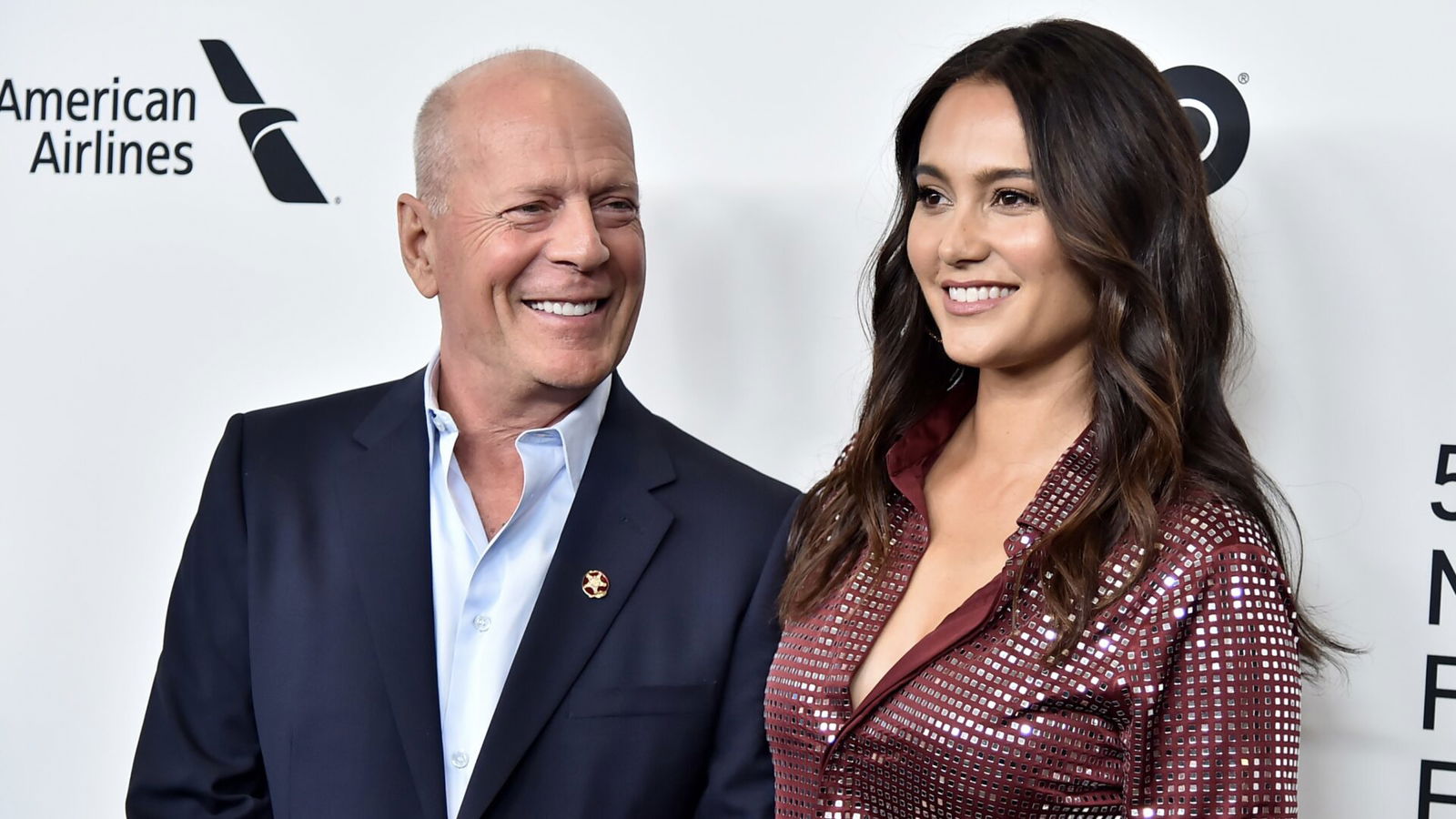
By India McCarty
Bruce Willis’ wife Emma Heming Willis opened up about the bittersweet feeling of celebrating Christmas with a loved one who is suffering from dementia.
“For me, the holidays carry memories of Bruce being at the center of it all,” she wrote. “He loved this time of year — the energy, family time, the traditions. He was the pancake-maker, the get-out-in-the-snow-with-the-kids guy, the steady presence moving through the house as the day unfolded,” she added in an essay for her website.
She explained that, while “dementia doesn’t erase those memories…it does create space between then and now. And that space can ache.”
“[Grief] can arrive while pulling decorations out of storage, wrapping gifts…or in the middle of a room full of people, or in the quiet moment when everyone else has gone to bed,” Heming Willis continued. “I find myself, harmlessly cursing Bruce’s name while wrestling with the holiday lights or taking on tasks that used to be his. Not because I’m mad at him…but because I miss the way he once led the holiday charge.”
Related: Bruce Willis’ Wife Updates Fans on Actor’s Health
Heming Willis explained that there is a “misconception” that a change in holiday traditions always means something negative.
“But meaning doesn’t require everything to stay the same. It requires connection,” she wrote. “This holiday season, our family will still unwrap gifts and sit together at breakfast. But instead of Bruce making our favorite pancakes, I will. We’ll put on a holiday movie. There will be laughter and cuddles. And there will almost certainly be tears because we can grieve and make room for joy.”
Willis was diagnosed with aphasia in 2022. The diagnosis was later upgraded to frontotemporal dementia. Heming Willis has been open about the difficulties of caregiving, as well as supporting others who are in the same position.
“I thought I was the only one who could care for Bruce. I didn’t want to be a burden to anyone,” she told AARP. “What I realized was that it was okay to ask for help. Sometimes it was helping take care of our young children. When Bruce was diagnosed, our two girls were 8 and 10. So I was able to rally friends, family or parents of my kids’ friends to help with pickup or activities for them.”
Heming Willis encouraged caregivers to “connect to their community” as well, explaining, “It’s been helpful to normalize some of these feelings I thought were just happening to me. I didn’t realize that other people felt guilt, shame, anger…Being isolated is a killer.”
It’s a topic she explores further in her book The Unexpected Journey: Finding Strength, Hope, and Yourself on the Caregiving Path.
“I wrote the book that I wish someone had handed me on the day we received the diagnosis,” she told PEOPLE. “Caregiving is hard, and there are many people doing it with little to no support … The only way I can get through this is to help someone else feel less alone.”
While the holidays might look different for Heming Willis and her daughters these days, she is dedicated to holding space for both grief for what’s been lost, as well as joy for the moments the family still shares.
Read Next: Bruce Willis’ Wife Details His Dementia Care: ‘Each Caregiving Journey Is Our Own’
Questions or comments? Please write to us here.
Add Movieguide® as preferred on GoogleShare:

 - Content: +2
 - Content:
  - Content: +2