


 Add Movieguide® as preferred on Google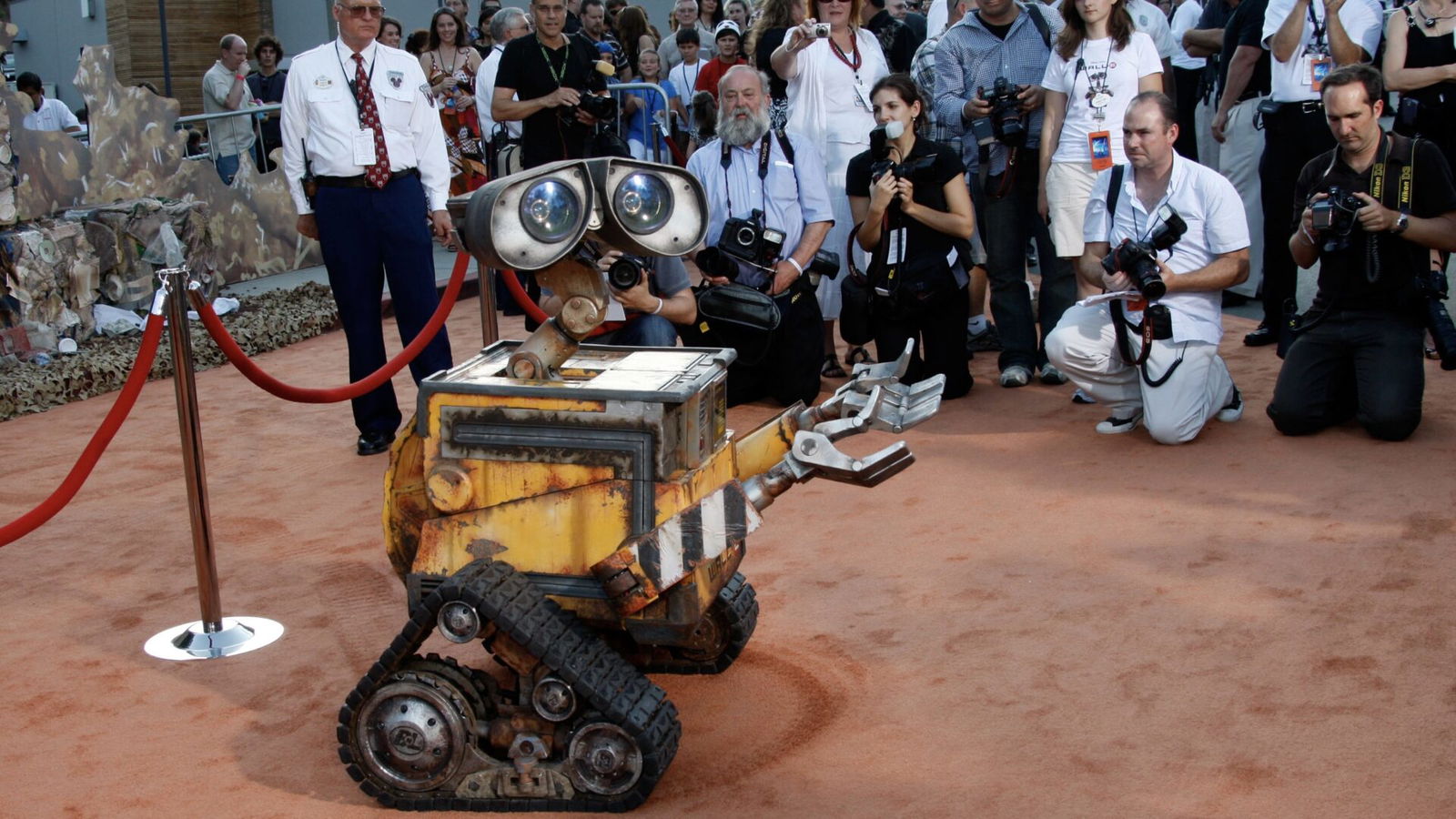
By Gavin Boyle
Robotics company Zeroth revealed its lineup of five home robots to assist users in everyday tasks, including one product that looks similar to Disney’s beloved WALL-E.
“[The robot] W1 is a mobile robot built for real work, in real environments,” Zeroth explained on its website. “It combines high payload capacity, autonomous mobility, and intelligent power – in a compact body designed to move wherever people go. It follows. It carries. It energizes. W1 is strength, made mobile.”
The AI-powered robot is one of five products Zeroth launched to bring robots to everyday people. The W1 can carry up to 110 pounds and uses LIDAR sensors to navigate its surroundings. Unfortunately, at a price point of $5,599, Americans should not expect to see too many of these robots around in the near future.
The company’s other products fare no better as doll-sized robot meant to be an in-home companion is priced at $2,899 while its human-sized robot will ship at $89,999.
Related: Is AI Coming to Barbie?
While it remains to be seen how successful these robots will be, the launch of these products highlights just how common futuristic technology is becoming in everyday life. AI-powered toys, for example, are a growing area where even big names like Mattel are working to find a foothold.
“Each of our products and experiences is designed to inspire fans, entertain audiences, and enrich lives through play,” said John Silverman, the Chief Franchise Officer at Mattel, last June when the company announced it would be partnering with OpenAI in the near future. “AI has the power to expand on that mission and broaden the reach of our brands in new and exciting ways. Our work with OpenAI will enable us to leverage new technologies to solidity our leadership in innovation and reimagine new forms of play.”
These products, however, have proven to do more harm than good, largely because the devices currently on the market are targeted towards children despite AI not being suitable for this age group.
“We don’t know what having an AI friend at an early age might do to a child’s long-term social wellbeing,” warned Dr. Kathy Hirsh-Pasek, a psychologist at Temple University. “If AI toys are optimized to be engaging, they could risk crowding out real relationships in a child’s life when they need them most.
Along with potential to cause mental and emotional harm that will impact children in the future, they can also be a physical safety risk in the present given their tendency to provide kids with information on how to access dangerous objects such as matches or knives.
Thus, as AI-powered robots start to make their way onto the market, consumers should be wary of engaging with them, especially if they plan to give them to their children to use.
Read Next: Are AI-Powered Toys the Future?
Questions or comments? Please write to us here.
Add Movieguide® as preferred on GoogleShare:
 - Content: +1
 - Content: +1
 - Content: +2
 - Content: +2