

 Add Movieguide® as preferred on Google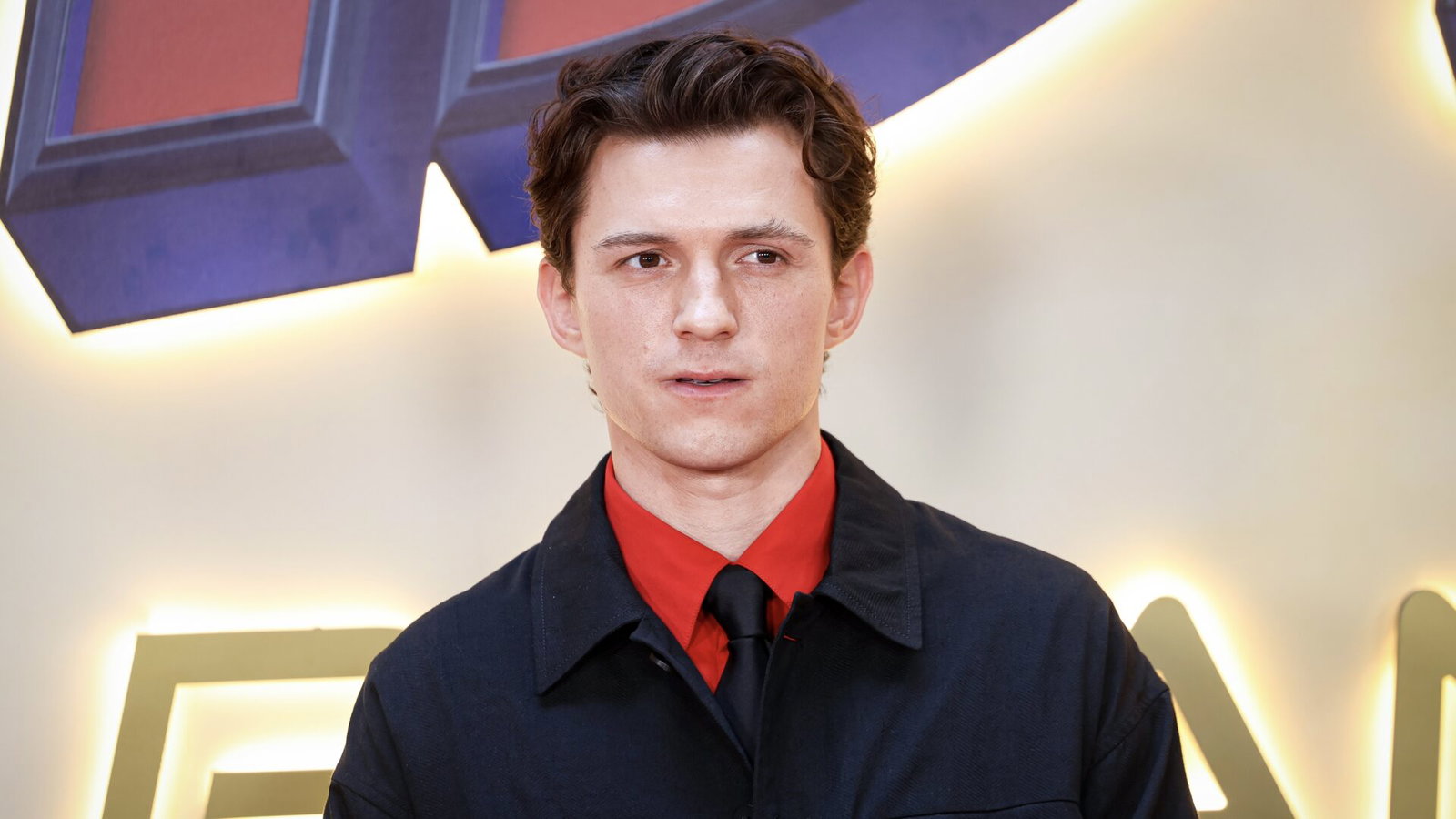
By Kayla DeKraker
SPIDER-MAN star Tom Holland isn’t worried about AI threatening creatives.
“Creativity is safe from AI because creativity has to do with the human experience. It’s about emotions, it’s about understanding one another,” he said on the Spanish talk show “El Hormiguero.”
Holland believes the lack of real human emotion separates AI from reality.
“AI can sift through data, but it can’t understand people’s emotions,” he explained. “It doesn’t understand the difference between being happy and being sad. The way artists paint, it’s not about what they’re copying, it’s about expressing themselves. So I feel protected.”
Related: Artificial Intelligence ‘Does More Harm Than Good’ in the Classroom
Other stars, including Scarlett Johansson, Cate Blanchett and Joseph Gordon-Levitt, feel differently. They believe that using AI steals from creators. Many of these celebrities have joined campaigns such as the Human Artistry Campaign to fight against the use of AI in filmmaking. The specific group even states that creating work for free is “un-American.”
“Big Tech is trying to change the law so they can keep stealing American artistry to build their AI businesses — without authorization and without paying the people who did the work. That is wrong; it’s un-American, and it’s theft on a grand scale. The following creators all agree. Do you? If so, come join us,” one of the campaign’s messages said.
So is Holland correct in saying that AI “can’t understand emotions”? MIT suggests the tech could be advancing in the realm of “emotion AI.”
“Emotion AI is a subset of artificial intelligence (the broad term for machines replicating the way humans think) that measures, understands, simulates, and reacts to human emotions,” MIT said.
“We have a lot of neurons in our brain for social interactions. We’re born with some of those skills, and then we learn more. It makes sense to use technology to connect to our social brains, not just our analytical brains,” Professor Erik Brynjolfsson explained. “Just like we can understand speech and machines can communicate in speech, we also understand and communicate with humor and other kinds of emotions. And machines that can speak that language — the language of emotions — are going to have better, more effective interactions with us.”
Even Pope Leo has addressed the tech, voicing concern over AI becoming too much like humans. “Humanity, created by God in all its grandeur, is today facing a pivotal choice: either to construct a new Tower of Babel or to build the city in which God and humanity dwell together,” he said in his encyclical “Magnifica humanitas: On Safeguarding the Human Person in the Time of Artificial Intelligence.”
No matter where you fall on the AI debate, one thing is certain: AI is becoming more and more human-like. At what point do we draw the line and say convenience is not worth devaluing humanity?
Read Next: Why Artificial Intelligence Won’t Replace Filmmakers
Questions or comments? Please write to us here.
Add Movieguide® as preferred on GoogleShare:

 - Content: +1
 - Content: +4
 - Content: +4
 - Content: +1